BLOG
SCOTT'S THOUGHTS

Working with Consultants Volume 6
The Assessment Process Checklist
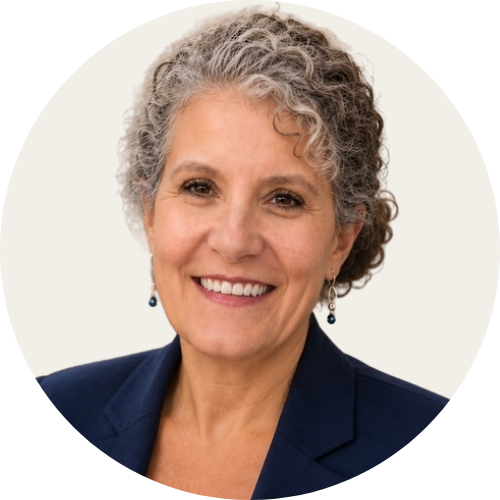
As presented by Medea Valdez, Ph.D.
From her webinar, “Consultants and Accreditation Support”
Thank you for joining me once again. We’ve been talking about the PA program’s assessment process. Last week, we analyzed the purpose behind self-assessment, which allows us to critically examine, refine, and improve our programs. The SSRs we submit to ARC-PA are where we provide evidence of our assessment process.
When a consultant comes to your program, one of the first things they will look at is your assessment process, providing their expertise on your readiness. Today, I’d like to share a checklist for evaluating your current assessment processes similarly.
Self-Assessment Processes Checklist
Your program likely falls somewhere between the two extremes in this chart. If you sought the assistance of a consultant, these are the aspects of your program’s assessment process that they would observe. All moving parts need to work together, and a consultant can improve those aspects that need help moving toward the “ready” side of the chart.
A consultant can provide targeted support to help the program develop or revise its process and implement what is needed. This support can include workshops, longitudinal support concerning data collection and analysis, and guidance, and it can be separate from the accreditation application preparation. Consultants can also work alongside a program as it develops or revises its self-assessment process.
Join me next time:
We’re almost to the conclusion of my presentation regarding how best to use the help of a consultant for your PA program. In the next blog, we’ll talk about the ownership of the assessment process. Even with the help of a consultant, a PA program is ultimately responsible for owning its processes, decisions, and the verdicts you receive from the ARC-PA. I’ll provide a list of what your program is ultimately accountable for, and add tips on ensuring you’ve covered the bases and made the best use of your consultant's advice and direction.
Working with Consultants Volume 6
The Assessment Process Checklist
As presented by Medea Valdez, Ph.D.
From her webinar, “Consultants and Accreditation Support”
Thank you for joining me once again. We’ve been talking about the PA program’s assessment process. Last week, we analyzed the purpose behind self-assessment, which allows us to critically examine, refine, and improve our programs. The SSRs we submit to ARC-PA are where we provide evidence of our assessment process.
When a consultant comes to your program, one of the first things they will look at is your assessment process, providing their expertise on your readiness. Today, I’d like to share a checklist for evaluating your current assessment processes similarly.
Self-Assessment Processes Checklist
Your program likely falls somewhere between the two extremes in this chart. If you sought the assistance of a consultant, these are the aspects of your program’s assessment process that they would observe. All moving parts need to work together, and a consultant can improve those aspects that need help moving toward the “ready” side of the chart.
A consultant can provide targeted support to help the program develop or revise its process and implement what is needed. This support can include workshops, longitudinal support concerning data collection and analysis, and guidance, and it can be separate from the accreditation application preparation. Consultants can also work alongside a program as it develops or revises its self-assessment process.
Join me next time:
We’re almost to the conclusion of my presentation regarding how best to use the help of a consultant for your PA program. In the next blog, we’ll talk about the ownership of the assessment process. Even with the help of a consultant, a PA program is ultimately responsible for owning its processes, decisions, and the verdicts you receive from the ARC-PA. I’ll provide a list of what your program is ultimately accountable for, and add tips on ensuring you’ve covered the bases and made the best use of your consultant's advice and direction.
Don't miss out on future events!
Subscribe to our newsletter
© 2026 Scott Massey Ph.D. LLC